
In today’s fast-paced world, engaging children in joyful learning activities is more crucial than ever. Joyful learning not only enhances cognitive development but also fosters creativity, critical thinking, and a lifelong love of learning. By integrating fun activities into their daily routine, children can explore the world around them in a meaningful and engaging way. This article delves into various activities that can unlock the joy of learning for kids, ensuring they have fun while acquiring essential skills.
Creative Arts and Crafts
Arts and crafts are a fantastic way for children to express themselves while developing fine motor skills and artistic talents. These activities encourage creativity and allow children to experiment with colors, shapes, and textures.
1. DIY Craft Projects
Encourage kids to create their own crafts using everyday materials. Projects like making paper plate masks, decorating picture frames, or creating a nature collage can be both fun and educational. These activities help children learn about shapes, colors, and textures, while also promoting hand-eye coordination.
2. Painting and Drawing
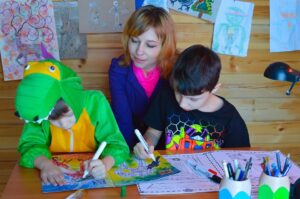
Painting and drawing offer children a blank canvas to express their thoughts and emotions. Whether using watercolors, crayons, or markers, kids can explore different techniques and styles. Encourage them to draw scenes from their favorite stories, imagine new worlds, or portray their daily life. This activity not only boosts creativity but also enhances focus and attention to detail.
Exploratory Science Activities
Science activities can spark curiosity and a sense of wonder in children. By incorporating science into playful experiments, kids can learn about the world around them in a hands-on, exciting manner.
1. Simple Science Experiments
Conducting simple science experiments at home can be both educational and enjoyable. Experiments such as creating a baking soda and vinegar volcano, making homemade slime, or growing crystals teach children basic scientific concepts like chemical reactions and states of matter. These activities encourage kids to ask questions, make predictions, and observe outcomes.
2. Nature Exploration
Take learning outside with nature exploration activities. Encourage children to explore their surroundings by going on nature walks, collecting leaves, or observing insects. These activities not only teach kids about ecosystems and biodiversity but also foster a deeper connection with the environment.
Interactive Storytelling and Reading
Storytelling and reading offer an excellent opportunity for children to delve into imaginary worlds, develop language skills, and enhance their comprehension abilities.
1. Storytime with a Twist
Make storytime interactive by involving children in the storytelling process. Encourage them to act out scenes, create alternative endings, or even illustrate the stories. This approach makes reading more engaging and helps children develop their imagination and narrative skills.
2. Book-Based Activities
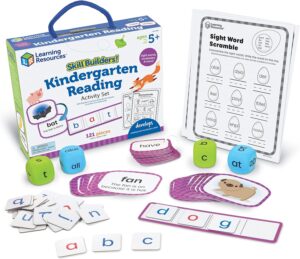
Extend the joy of reading by incorporating book-based activities. After reading a story, children can draw their favorite character, write a continuation, or create a puppet show. These activities reinforce comprehension and allow kids to explore the themes and messages of the story in a creative manner.
Mathematical Games and Puzzles
Mathematics can be made fun and exciting through games and puzzles that challenge children to think critically and solve problems.
1. Board Games and Card Games
Board games and card games like Monopoly, Uno, or Math Bingo can help children develop numerical skills and strategic thinking. These games require players to count, add, subtract, or strategize, making math a fun and competitive activity.
2. Puzzle Challenges
Engage children with puzzles such as Sudoku, crosswords, or jigsaw puzzles. These activities improve problem-solving skills, enhance spatial awareness, and boost concentration. Encourage children to solve puzzles collaboratively to foster teamwork and communication.
Physical Activities and Outdoor Play
Physical activities are vital for children’s physical development and overall well-being. Outdoor play encourages exploration, social interaction, and a healthy lifestyle.
1. Obstacle Courses
Create an obstacle course using household items like cushions, chairs, and ropes. These courses challenge children to climb, jump, and crawl, enhancing their physical abilities and coordination. This activity can be turned into a friendly competition, encouraging kids to improve their time or navigate through the course creatively.
2. Team Sports
Team sports such as soccer, basketball, or relay races promote teamwork, communication, and sportsmanship. Encourage children to participate in team sports, either in a structured environment or through casual games with friends. These activities teach kids the importance of cooperation and discipline while keeping them active and engaged.
Music and Movement
Music and movement activities are not only entertaining but also contribute to children’s cognitive and emotional development. They enhance memory, rhythm, and physical coordination.
1. Dance Parties
Organize a dance party where children can express themselves through movement. Play a variety of music genres and encourage kids to create their own dance routines. Dancing boosts confidence, improves coordination, and provides a fun way to exercise.
2. Musical Instrument Exploration
Introduce children to different musical instruments, allowing them to experiment with sounds and rhythms. Whether it’s a piano, guitar, or a simple tambourine, exploring instruments fosters creativity and an appreciation for music. Encourage kids to create their own songs or rhythms, enhancing their musical abilities and self-expression.
Conclusion
Unlocking joyful learning for children involves integrating fun and engaging activities into their daily lives. By embracing creativity, exploration, interaction, and physical activity, children can develop essential skills while enjoying the process of learning. As parents, educators, and caregivers, our role is to create an environment that nurtures curiosity and encourages children to explore the world with enthusiasm and joy. Through these activities, we can ensure that learning is not only educational but also a delightful adventure for every child.
#ChatGPT assisted in the creation of this article.