
In an ever-evolving world, the importance of equipping children with the necessary skills to thrive cannot be overstated. One of the most effective ways to achieve this is through interactive learning experiences. Unlike traditional rote memorization techniques, interactive learning engages children in a dynamic process that promotes critical thinking, creativity, and problem-solving abilities. This article explores how interactive learning experiences can significantly boost child development and offers practical strategies to implement them effectively.
The Importance of Early Childhood Development
Early childhood is a crucial period for development, as it lays the foundation for lifelong learning and behavior. During this time, children undergo rapid cognitive, social, and emotional growth. Engaging children in interactive learning experiences during these formative years can enhance brain development, improve social skills, and foster a lifelong love for learning.
What is Interactive Learning?
Interactive learning is an educational approach that involves active participation from learners. It encourages children to engage with the material, their peers, and educators in a hands-on manner. This approach is not limited to digital tools but encompasses a range of activities, including games, discussions, experiments, and collaborative projects. The goal is to create a stimulating environment where children can explore, ask questions, and apply what they have learned in real-world contexts.
Benefits of Interactive Learning Experiences
Enhances Cognitive Development
Interactive learning stimulates brain development by challenging children to think critically and solve problems. Activities that require decision-making, pattern recognition, and logical reasoning help strengthen neural connections, thus enhancing cognitive abilities.
Improves Social Skills
Many interactive learning experiences are collaborative, requiring children to work together, share ideas, and communicate effectively. This fosters teamwork, empathy, and the ability to navigate social situations, all essential skills for personal and professional success.
Boosts Emotional Intelligence
Interactive learning often involves scenarios that require children to recognize and manage their emotions. By participating in role-playing activities or group discussions, children learn to express themselves constructively and develop resilience and empathy.
Encourages Creativity and Imagination
Interactive learning environments often provide children with open-ended challenges that encourage creative thinking. By exploring different possibilities and outcomes, children learn to use their imagination and innovate, which are valuable skills in a rapidly changing world.
Enhances Retention and Understanding
When children actively engage with the material, they are more likely to retain information and understand concepts deeply. Interactive learning experiences help children make connections between new information and existing knowledge, facilitating better comprehension and recall.
Strategies for Implementing Interactive Learning Experiences
Incorporate Hands-On Activities
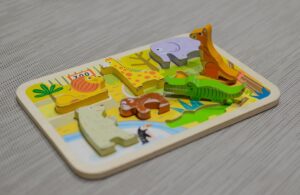
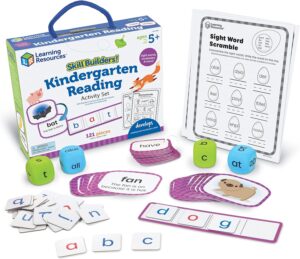
Hands-on activities are a cornerstone of interactive learning. They allow children to experiment, manipulate objects, and directly observe the results of their actions. Examples include science experiments, building projects, and art activities that encourage exploration and discovery.
Leverage Technology Thoughtfully
Technology offers numerous opportunities for interactive learning. Educational apps, online games, and virtual reality experiences can provide immersive and engaging learning experiences. However, it’s important to select age-appropriate tools and balance screen time with other interactive activities.
Facilitate Group Work and Collaboration
Group work encourages children to learn from one another and develop important social skills. Educators and parents can facilitate group projects that require children to collaborate, negotiate, and solve problems together, fostering a sense of community and shared responsibility.
Encourage Inquiry-Based Learning
Inquiry-based learning is a student-centered approach that encourages children to ask questions, investigate, and draw conclusions. By nurturing a child’s natural curiosity, this method promotes deep understanding and the ability to apply knowledge in new situations.
Use Storytelling and Role-Playing
Storytelling and role-playing are powerful tools for interactive learning. They allow children to explore different perspectives, develop empathy, and practice language skills. Educators and parents can create scenarios that challenge children to think critically and creatively.
Role of Parents and Educators
Both parents and educators play a crucial role in facilitating interactive learning experiences. By creating a supportive and stimulating environment, they can inspire children to explore and learn actively. Here are some ways they can support interactive learning:
Create a Stimulating Environment
Design learning spaces that encourage exploration and interaction. This can include setting up learning stations, providing diverse materials, and creating opportunities for outdoor learning.
Encourage Questions and Curiosity
Foster a culture of inquiry by encouraging children to ask questions and explore their interests. Provide opportunities for children to research topics they are passionate about and share their findings.
Model Lifelong Learning
Demonstrate a love for learning by pursuing new knowledge and skills. Share your learning experiences with children and involve them in your learning journey, showing them that learning is a lifelong endeavor.
Challenges and Considerations
While interactive learning offers numerous benefits, there are challenges to consider. These include ensuring equitable access to resources, managing diverse learning needs, and balancing structured and unstructured learning experiences. Addressing these challenges requires collaboration between educators, parents, and policymakers to create inclusive and supportive learning environments.
Conclusion
Interactive learning experiences are a powerful tool for boosting child development. By engaging children in meaningful and hands-on activities, we can enhance their cognitive, social, and emotional growth, preparing them for a successful future. By embracing interactive learning strategies and fostering a culture of curiosity and exploration, parents and educators can unlock the full potential of every child, ensuring they are well-equipped to navigate the challenges and opportunities of the modern world.
#ChatGPT assisted in the creation of this article.