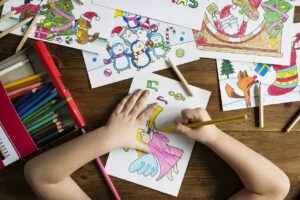

Art is a powerful medium for self-expression, and for children, it serves as an essential tool for development and creativity. Engaging in art projects not only encourages kids to think outside the box but also enhances their problem-solving skills, fine motor abilities, and emotional intelligence. In this article, we will explore a variety of exciting art projects that are perfect for kids of all ages, designed to unleash their creativity and imagination.
Benefits of Art for Children
Before diving into specific projects, it’s important to understand why art is crucial for a child’s development. Art encourages:
- Creative Thinking: Art stimulates the imagination and encourages innovative thinking.
- Fine Motor Skills: Activities like drawing, painting, and sculpting improve hand-eye coordination.
- Problem-Solving Abilities: Art projects often require planning and decision-making.
- Emotional Expression: Art provides a safe space for kids to express their feelings and emotions.
- Confidence Boost: Completing art projects gives children a sense of accomplishment.
Project Ideas
Papier-Mâché Sculptures
Papier-mâché is a classic art project that allows kids to create three-dimensional sculptures using newspaper and paste. It’s a versatile medium that can be used to make masks, animals, and other imaginative shapes.
Materials Needed: Newspaper, flour, water, paint, brushes, and a base structure like balloons or cardboard.
Instructions: Mix equal parts of flour and water to create a paste. Tear newspaper into strips, dip them in the paste, and layer them over the base structure. Allow it to dry completely before painting.
Rainbow Salt Dough Creations
Salt dough is easy to make and perfect for creating colorful, durable sculptures. Kids can mold it into various shapes and paint it once it’s dry.
Materials Needed: Flour, salt, water, food coloring, and acrylic paint.
Instructions: Mix 1 cup of flour, 1 cup of salt, and ½ cup of water to form a dough. Divide and add different food coloring to each portion. Shape the dough and bake at a low temperature until hard. Once cooled, paint and decorate as desired.
Nature-Inspired Collages
This project encourages children to explore their natural surroundings and incorporate found objects into their art, fostering a connection with nature.
Materials Needed: Leaves, twigs, flowers, glue, scissors, and paper.
Instructions: Collect natural materials from a garden or park. Arrange them on a piece of paper and use glue to secure them, creating a beautiful nature-inspired collage.
Watercolor Resist Art
Watercolor resist art is a fun and magical way for kids to see how different materials interact, revealing hidden designs.
Materials Needed: White crayon, watercolor paints, brushes, and watercolor paper.
Instructions: Draw a design on the paper with a white crayon. Paint over the entire area with watercolors. The crayon will resist the paint, revealing the hidden drawing.
DIY Stamps
Creating DIY stamps allows children to explore patterns and repetition and can be used to decorate cards, wrapping paper, or fabric.
Materials Needed: Potatoes or sponges, cookie cutters, paint, and paper.
Instructions: Cut a potato in half and use a cookie cutter to press into the flat side, creating a stamp shape. Dip in paint and press onto paper to create patterns.
Recycled Material Masterpieces
Encouraging children to use recycled materials in their art projects teaches them about sustainability while promoting creativity.
Materials Needed: Cardboard, bottle caps, egg cartons, paint, glue, and scissors.
Instructions: Gather various recycled materials and encourage children to create sculptures or collages, painting and decorating them as they wish.
Tips for Encouraging Creativity
While providing materials and project ideas is essential, fostering a creative environment is equally important. Here are some tips to help encourage creativity in children:
- Provide a Variety of Materials: Offer a range of art supplies and let children explore different mediums.
- Emphasize Process Over Product: Focus on the joy of creation rather than the final result.
- Celebrate Originality: Encourage unique ideas and praise creative efforts.
- Create a Dedicated Art Space: Having a designated area for art can inspire frequent creativity.
- Be Supportive: Show interest in their projects and provide positive feedback.
Conclusion
Art projects are a wonderful way to engage children’s creativity and imagination, offering them a platform to express themselves freely. By providing them with exciting projects and the right environment, we can nurture their artistic talents and help them develop valuable skills that will serve them throughout their lives. Whether through crafting with recycled materials or experimenting with colors and textures, these art projects are sure to bring joy and inspiration to young artists.
#ChatGPT assisted in the creation of this article.