In the early years of a child’s life, every moment is an opportunity for growth and learning. These formative years are crucial for cognitive, emotional, and social development. One of the most effective ways to stimulate this development is through play. While it might seem like mere fun and games, play is a powerful tool that nurtures a child’s mind, body, and spirit. This article explores the significance of learning through play and offers insights into how parents and educators can harness this natural activity to boost early development.
The Science Behind Learning Through Play
Research in child development consistently highlights the importance of play in early learning. Play is not just about entertainment; it is a complex, multifaceted activity that enhances various developmental domains. According to the American Academy of Pediatrics, play is essential to healthy brain development. It allows children to use their creativity while developing their imagination, dexterity, and physical, cognitive, and emotional strength.
Cognitive Development
Through play, children encounter opportunities to enhance their cognitive abilities. Activities such as puzzles, building blocks, and role-playing stimulate critical thinking, problem-solving, and decision-making skills. These activities encourage children to plan, strategize, and execute tasks, fostering their ability to think abstractly and logically.
Social and Emotional Development
Play often involves interaction with others, allowing children to develop social skills such as sharing, negotiating, and cooperating. It also provides a safe space for children to express their emotions, understand others’ feelings, and develop empathy. Pretend play, for example, enables children to experiment with different roles and perspectives, enhancing their understanding of the social world around them.
Physical Development
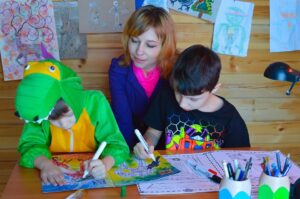
Engaging in physical play helps children develop their motor skills, coordination, and overall physical health. Activities like running, jumping, and climbing are not only enjoyable but also crucial for strengthening muscles and improving balance and flexibility. Fine motor skills are honed through activities that require precision, such as drawing, threading beads, or manipulating small objects.
Types of Play That Foster Learning
Not all play is created equal when it comes to learning. Different types of play contribute to various aspects of development. Here are some key types of play that can significantly enhance early development:
Unstructured Free Play
This is play without predetermined rules or guidelines, allowing children to explore their creativity and imagination. It is self-directed and often spontaneous, giving children the freedom to experiment and learn at their own pace. Unstructured play is crucial for developing independence and self-confidence.
Structured Play
Structured play includes activities with set goals or rules, such as board games or sports. These activities help children learn to follow instructions, develop strategic thinking, and understand the importance of teamwork and fair play.
Imaginative or Pretend Play
This type of play allows children to create scenarios and act out roles, whether it’s playing house, pretending to be a doctor, or embarking on a pirate adventure. Imaginative play is vital for cognitive flexibility, creativity, and social understanding.
Physical Play
Active play that involves physical movement is essential for developing motor skills and promoting physical health. Activities like playing tag, cycling, or engaging in sports not only improve physical fitness but also teach children about body awareness and spatial relationships.
How Parents and Educators Can Encourage Learning Through Play
Parents and educators play a pivotal role in facilitating play-based learning. By understanding the value of play and incorporating it into daily routines, they can create a nurturing environment that stimulates growth and development.
Create a Play-Friendly Environment
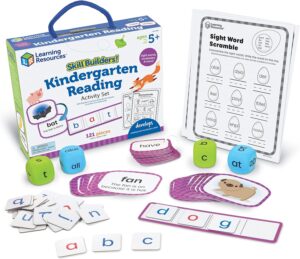
Ensure that children have access to a variety of toys and materials that encourage exploration and creativity. Open-ended toys such as blocks, costumes, and art supplies offer endless possibilities for imaginative play.
Encourage Outdoor Play
Outdoor play provides a rich sensory experience and opportunities for physical activity. Nature walks, playground visits, and backyard adventures allow children to explore the natural world and develop a connection with their environment.
Balance Screen Time
In a digital age, balancing screen time with other forms of play is crucial. While educational apps and programs can support learning, real-world play is irreplaceable in developing social skills and emotional intelligence.
Participate and Encourage Interaction
Join in the play! Adults can model positive behaviors, introduce new ideas, and support children in navigating social interactions. Encouraging group play with peers also helps children learn cooperation and communication skills.
The Long-Term Benefits of Learning Through Play
Learning through play offers numerous long-term benefits that extend well beyond childhood. Children who engage in rich play experiences tend to perform better academically and socially. They are more likely to develop into well-rounded, confident, and capable individuals.
Improved Academic Outcomes
Play supports foundational skills necessary for academic success, such as language development, literacy, and numeracy. Children who engage in play-based learning often exhibit better comprehension and retention of information.
Enhanced Social Skills
Through play, children learn how to communicate effectively, resolve conflicts, and work collaboratively. These skills are essential for forming healthy relationships and succeeding in team environments later in life.
Increased Emotional Resilience
Play provides a safe space for children to tackle challenges, take risks, and cope with setbacks. These experiences foster emotional resilience, preparing children to handle the ups and downs of life with confidence.
Conclusion
Learning through play is not just a philosophy; it is a fundamental approach to early development that nurtures a child’s potential in a holistic way. By recognizing the value of play and actively incorporating it into children’s lives, parents and educators can lay a strong foundation for lifelong learning and well-being. As we embrace play as a powerful educational tool, we set the stage for children to thrive in all aspects of their development, today and in the future.
Call to Action
Now is the time to prioritize play in early childhood education. Whether you are a parent, caregiver, or educator, consider how you can integrate more play-based learning opportunities into your daily interactions with children. By doing so, you will not only enrich their developmental journey but also create a joyful and engaging learning environment.
#ChatGPT assisted in the creation of this article.