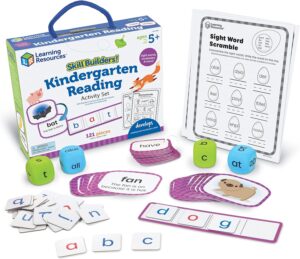

The early years of a child’s life are crucial for brain development. As parents and educators, fostering an environment that stimulates cognitive growth is essential. Games, particularly those designed to boost focus and attention, provide a fun and engaging way to enhance brain development in children. This article explores some of the top focus-boosting games that can aid in developing critical cognitive skills in young minds.
The Importance of Focus in Child Development
Focus, or the ability to concentrate on a task without getting distracted, is a foundational skill that influences a child’s learning and success in life. It plays a crucial role in problem-solving, comprehension, and the ability to follow instructions. Developing focus early on can set the stage for academic achievement and social skills. Games that enhance focus can serve as powerful tools in helping children develop this vital skill.
Focus-Boosting Games for Brain Development
Memory Games
Memory games are classic tools for enhancing focus and cognitive development in children. These games require players to remember and recall information, which strengthens neural connections and improves concentration.
One popular memory game is the classic “Memory Match,” where children flip over cards to find matching pairs. This game encourages children to pay attention to detail and enhances their short-term memory. Another variation is “Simon Says,” a game that requires children to remember and replicate sequences of colors or sounds, thus boosting their auditory and visual memory.
Puzzle Games
Puzzles are excellent for developing focus and problem-solving skills. They require children to think critically and engage in strategic planning. Solving puzzles involves identifying patterns, recognizing shapes, and predicting outcomes, all of which are crucial for cognitive development.
Jigsaw puzzles, for instance, help children develop spatial awareness and improve their ability to concentrate for extended periods. Similarly, logic puzzles like Sudoku or “Tangrams” challenge children to think logically and enhance their problem-solving abilities.
Strategy Games
Strategy games require players to think ahead, make decisions, and anticipate outcomes, all of which are essential for developing focus and critical thinking skills. These games often involve planning and adapting to new situations, promoting cognitive flexibility.
Chess is a prime example of a strategy game that boosts focus. It requires players to concentrate on the board, anticipate their opponent’s moves, and plan several steps ahead. Similarly, games like “Checkers” and “Go” offer strategic challenges that enhance mental acuity and concentration.
Attention Games
Games specifically designed to improve attention can significantly enhance a child’s focus. These games often involve quick thinking and the ability to adapt to changing scenarios.
“Spot It!” is a fast-paced game that challenges children to quickly identify matching symbols or patterns between cards. This game enhances visual perception and trains children to focus on details under time constraints. Another attention-boosting game is “I Spy,” where children must identify objects based on verbal clues, improving their ability to concentrate on auditory information.
Mindfulness Games
Mindfulness games are designed to help children develop self-awareness and concentration through relaxation and focused attention. These games promote emotional regulation and stress reduction, which are essential for maintaining focus.
“Mindful Breathing” exercises, where children focus on their breathing patterns, can help them develop concentration and self-regulation skills. Additionally, games like “Yoga for Kids” encourage physical activity while teaching children to focus on their movements and breathing, promoting both physical and mental well-being.
Incorporating Focus-Boosting Games into Daily Routine
To maximize the benefits of focus-boosting games, it’s essential to incorporate them into a child’s daily routine. Here are some tips for doing so:
Set Aside Time for Play
Designate specific times for playing focus-boosting games. This routine helps children understand the importance of these activities and ensures they are part of their daily schedule. Consistency is key to reaping the cognitive benefits of these games.
Encourage Group Play
Group play not only enhances social skills but also introduces children to different perspectives and strategies. Playing games with family members or peers encourages cooperation and communication, further boosting cognitive development.
Balance Screen Time
While some digital games can be beneficial, it’s important to balance screen time with physical and interactive games. Encourage children to engage in both types of activities to promote a well-rounded development.
Monitor Progress
Keep track of your child’s progress in various focus-boosting games. Celebrate their achievements and encourage them to tackle more challenging tasks. This positive reinforcement helps build confidence and motivation.
Adapt Games to Skill Level
Choose games that match your child’s skill level and gradually introduce more challenging ones as they progress. This approach ensures they remain engaged and motivated without feeling overwhelmed.
Conclusion
Focus-boosting games are invaluable tools for enhancing brain development in children. By engaging in memory, puzzle, strategy, attention, and mindfulness games, children can develop critical cognitive skills that lay the foundation for future success. Incorporating these games into a child’s daily routine not only promotes focus but also fosters a love for learning and problem-solving. As parents and educators, providing opportunities for children to engage in these activities can significantly impact their cognitive growth and overall development.
By understanding the importance of focus in child development and utilizing these games, we can help nurture young minds and set them on a path towards a bright and successful future.
#ChatGPT assisted in the creation of this article.