Top Essential Basic Skills Every Child Must Learn
The early years of a child’s life are crucial for laying the foundation for future success. During these formative years, children are like sponges, absorbing information and skills that will shape their development. As parents, educators, and caregivers, it’s our responsibility to ensure that children are equipped with the essential basic skills they need to navigate the world confidently. In this article, we’ll explore the key skills every child must learn and why they are so important.
Communication Skills
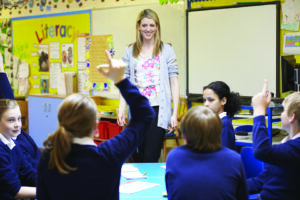
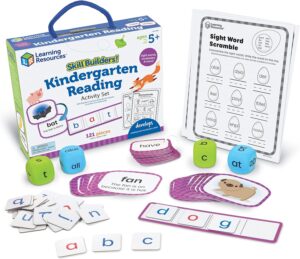
Effective communication is the cornerstone of successful relationships and interactions. From a young age, children should be encouraged to express themselves clearly and understand others. This involves not only verbal communication but also non-verbal cues such as body language and facial expressions.
Listening
Teaching children to be good listeners is essential. It helps them understand instructions, empathize with others, and engage in meaningful conversations. Encourage active listening by asking them to repeat back what they’ve heard or by having conversations where they need to pay attention to details.
Speaking
Children should be encouraged to express their thoughts and feelings openly. This can be fostered through storytelling, role-playing, and giving them opportunities to speak in front of others. Building confidence in speaking will serve them well in school and beyond.
Social Skills
Social skills are vital for building relationships and functioning effectively in society. Children need to learn how to interact with others, work in teams, and resolve conflicts.
Empathy and Respect
Teaching children empathy and respect for others is crucial. Encourage them to consider other people’s feelings and perspectives, and to treat everyone with kindness and respect. This can be developed through activities that promote understanding, such as reading stories that highlight diverse experiences.
Collaboration
Working well with others is a skill that will serve children throughout their lives. Encourage teamwork through group activities and projects that require cooperation and compromise. This will help them learn how to share, negotiate, and collaborate effectively.
Cognitive Skills
Cognitive skills encompass a range of mental abilities that are essential for learning and problem-solving. Developing these skills early on sets the stage for academic success and lifelong learning.
Critical Thinking
Critical thinking involves analyzing information, evaluating evidence, and making reasoned decisions. Encourage children to ask questions, explore different solutions to problems, and think independently. Games and puzzles can be excellent tools for developing critical thinking skills.
Creativity
Creativity is not just about artistic expression; it’s also about thinking outside the box and coming up with innovative solutions. Provide children with opportunities to explore their creativity through art, music, and imaginative play. Encourage them to experiment and not be afraid of making mistakes.
Emotional Skills
Emotional intelligence is just as important as cognitive intelligence. Children need to learn how to manage their emotions, cope with challenges, and build resilience.
Self-Regulation
Teaching children to regulate their emotions and behavior is crucial for their social and academic success. Help them develop strategies for calming down when upset, such as deep breathing or taking a break. Encourage them to express their emotions in healthy ways.
Resilience
Resilience is the ability to bounce back from setbacks and challenges. Encourage children to embrace challenges as opportunities for growth, and to persist even when things get tough. Share stories of resilience and model a positive attitude towards obstacles.
Physical Skills
Physical skills are important for a child’s overall development and well-being. They include both fine motor skills, such as writing and drawing, and gross motor skills, such as running and jumping.
Fine Motor Skills
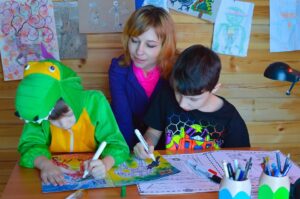
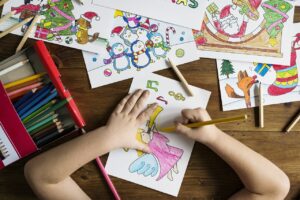
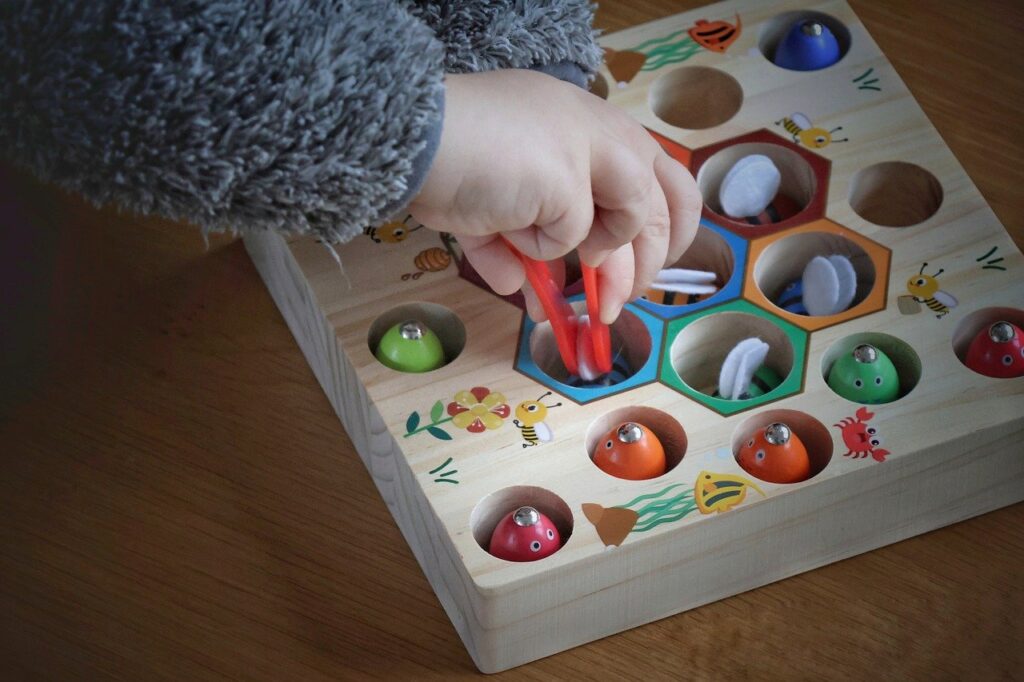
Fine motor skills involve the coordination of small muscles, particularly in the hands and fingers. Activities like drawing, cutting with scissors, and playing with building blocks can help develop these skills. Encourage children to engage in activities that require precision and coordination.
Gross Motor Skills
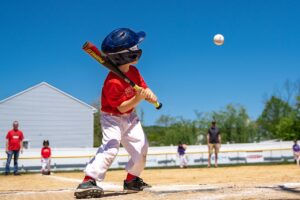
Gross motor skills involve larger movements and coordination of the arms, legs, and body. Encouraging physical play, such as running, climbing, and playing sports, helps children develop strength, balance, and coordination. Regular physical activity is essential for their overall health and development.
Conclusion
Equipping children with these essential basic skills is a vital part of their development. As they grow and learn, these skills will serve as the building blocks for their future success. By fostering communication, social, cognitive, emotional, and physical skills, we help children become well-rounded individuals who can thrive in a complex and ever-changing world. Remember, each child is unique, and the pace at which they develop these skills may vary. The key is to provide a supportive and nurturing environment where they can explore, learn, and grow at their own pace.
#ChatGPT assisted in the creation of this article.