
In the formative years of a child’s life, their brain develops rapidly, establishing connections that lay the groundwork for future learning and development. During this period, engaging in activities that stimulate cognitive, emotional, and social growth is crucial. This article explores the top early learning activities that can effectively boost brainpower in young children.
Understanding Early Brain Development
Before diving into specific activities, it is important to understand the significance of early brain development. The first five years of life are critical as the brain grows to about 90% of its adult size. During this time, the brain is particularly responsive to environmental stimuli, making early learning activities essential for shaping a child’s cognitive and emotional capacities.
Play-Based Learning
Play is the primary way through which children explore the world around them. It is a natural and enjoyable way for children to develop new skills and understand complex concepts. Play-based learning is not only fun but also educational, as it fosters creativity, problem-solving, and social skills.
Role-Playing and Pretend Play
Role-playing games allow children to experiment with different social roles and scenarios. This type of play enhances language skills, encourages empathy, and builds social understanding. By pretending to be a doctor, chef, or teacher, children learn to navigate social interactions and develop a sense of identity.
Building Blocks and Construction Toys
Building blocks and construction toys like LEGO are excellent tools for developing spatial awareness, fine motor skills, and problem-solving abilities. These activities require children to think critically, plan, and execute their ideas, laying a strong foundation for future engineering and mathematical skills.
Music and Movement
Music and movement activities are not only enjoyable but also highly beneficial for brain development. Engaging with music enhances auditory discrimination, memory, and emotional expression. Movement activities, on the other hand, support physical development and coordination.
Sing-Along Sessions
Sing-along sessions introduce children to rhythm, melody, and language. Songs with repetitive lyrics and catchy tunes help improve memory and language skills. Furthermore, singing in a group fosters a sense of community and collaboration.
Dance and Movement Games
Dance and movement games encourage physical activity and self-expression. These activities boost coordination, balance, and spatial awareness. By following dance steps or participating in movement games like “Simon Says,” children learn to listen and respond to instructions, enhancing their cognitive abilities.
Reading and Storytelling
Reading and storytelling are foundational activities for language and literacy development. They promote vocabulary expansion, comprehension, and a love for learning. Introducing children to books and stories early on can have a lasting impact on their academic success.
Interactive Storytime
Interactive storytime sessions engage children by encouraging them to ask questions, predict outcomes, and relate stories to their own experiences. Using props, voices, and expressions makes storytelling more engaging and helps children develop listening and narrative skills.
Library Visits
Visiting a library introduces children to a world of books and resources. It encourages curiosity and independent exploration. Participating in library programs and reading clubs can further enhance social skills and foster a lifelong love for reading.
Nature Exploration
Nature exploration stimulates sensory experiences and curiosity about the environment. Outdoor activities encourage physical activity, creativity, and scientific inquiry. Engaging with nature provides children with a sense of wonder and appreciation for the world around them.
Nature Walks and Scavenger Hunts
Nature walks and scavenger hunts are excellent ways to introduce children to the natural world. These activities promote observation skills, critical thinking, and environmental awareness. Children learn to identify plants, animals, and natural phenomena, enhancing their scientific knowledge.
Gardening Activities
Gardening activities teach children about plant life cycles, responsibility, and patience. By planting seeds, watering plants, and observing growth, children learn about cause and effect and develop a sense of stewardship for the environment.
Art and Craft
Art and craft activities are vital for fostering creativity and self-expression. These activities encourage fine motor development, problem-solving, and innovative thinking. Allowing children to explore different materials and techniques nurtures their artistic abilities and boosts their confidence.
Drawing and Painting
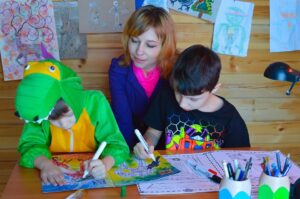
Drawing and painting activities allow children to experiment with colors, shapes, and textures. These activities promote visual-spatial skills and encourage children to express their thoughts and emotions through art.
Craft Projects
Craft projects involving cutting, gluing, and assembling materials enhance fine motor skills and hand-eye coordination. These activities encourage children to think creatively, follow instructions, and complete tasks independently, fostering a sense of achievement.
Conclusion
Early learning activities play a significant role in boosting brainpower and preparing children for future academic and life success. By integrating play-based learning, music, reading, nature exploration, and art into daily routines, parents and educators can create enriching environments that nurture a child’s cognitive, emotional, and social development. Investing time and effort in these activities during the early years can lead to a lifetime of benefits, setting the stage for a bright and promising future.
#ChatGPT assisted in the creation of this article.