
Reading is a fundamental skill that serves as the foundation for lifelong learning. Introducing children to reading at an early age can significantly impact their academic success and cognitive development. However, getting children excited about reading can sometimes be challenging. Fortunately, there are several engaging techniques to boost children’s reading skills while ensuring they have fun in the process. This article explores a variety of methods that parents and educators can use to foster a love for reading.
Create a Reading-Friendly Environment
The environment in which children read can greatly influence their engagement and interest. Creating a reading-friendly space at home or in the classroom can make reading a more appealing and enjoyable activity.
Design a Cozy Reading Nook
A designated reading area with comfortable seating, good lighting, and a variety of books can encourage children to spend more time reading. Consider using cushions, bean bags, or a small tent to make the space cozy and inviting.
Organize Books Accessibly
Ensure that books are easily accessible to children. Use low bookshelves or baskets to display books so that children can easily choose what they want to read. Organizing books by theme or color can also make them more appealing.
Incorporate Reading into Daily Routines
Integrating reading into daily routines can help children view reading as a natural and enjoyable part of their day.
Bedtime Stories
Reading a story before bedtime can become a cherished routine that children look forward to. Choose stories that are engaging and appropriate for the child’s age and interests.
Story Time during Meals
Reading during meal times can be a fun way to integrate reading into everyday life. Consider reading a short story or a chapter book aloud while children eat breakfast or lunch.
Use Interactive and Multimedia Tools
Incorporating technology and interactive tools can make reading more dynamic and appealing to children, particularly those who are digital natives.
Interactive E-books
Interactive e-books often include animations, sound effects, and interactive elements that can engage young readers and make the reading experience more immersive.
Educational Apps
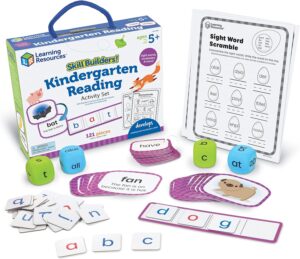
There are numerous educational apps designed to improve reading skills through games and interactive activities. These can be particularly effective for reinforcing phonics, vocabulary, and comprehension skills.
Engage in Storytelling and Role Play
Storytelling and role play allow children to actively participate in the narrative, enhancing their comprehension and imagination.
Act Out Stories
After reading a story, encourage children to act it out. This can help them understand the plot and characters better, and it’s a fun way to reinforce what they’ve learned.
Create Original Stories
Encourage children to create their own stories. Provide them with prompts or let them use their imagination to come up with characters and plots. This activity can help develop their narrative skills and boost creativity.
Incorporate Games and Activities
Games and hands-on activities can make reading practice more engaging and enjoyable for children.
Word Hunts
Create word hunts where children search for specific words or letters in a book or around the house. This can enhance their word recognition and observational skills.
Reading Bingo
Develop a reading bingo card with different types of books or reading tasks. Challenge children to complete a row, column, or diagonal line by reading various books or completing tasks like reading to a sibling or reading a book about animals.
Encourage Discussions and Questions
Engaging children in discussions about what they read can deepen their understanding and make reading a more interactive experience.
Ask Open-Ended Questions
After reading a story, ask children open-ended questions about the plot, characters, and their feelings about the story. This encourages critical thinking and helps improve comprehension.
Connect Stories to Real Life
Help children relate the stories they read to their own experiences. This can make the stories more meaningful and relevant, enhancing their engagement.
Celebrate Reading Achievements
Recognizing and celebrating reading milestones can motivate children to continue developing their reading skills.
Reading Certificates
Provide certificates or small rewards for reaching reading goals, such as reading a certain number of books or completing a challenging book.
Book-Themed Parties
Host a book-themed party where children can share their favorite stories, dress up as characters, and participate in book-related activities. This can create a sense of community and excitement around reading.
Conclusion
Boosting children’s reading skills doesn’t have to be a tedious task. By incorporating fun and engaging techniques into reading practice, parents and educators can foster a love for reading that lasts a lifetime. From creating a cozy reading environment to celebrating reading achievements, these strategies can help children develop strong reading skills while having fun. Remember, the key is to make reading an enjoyable and rewarding experience, paving the way for children to become lifelong learners.
#ChatGPT assisted in the creation of this article.