In today’s fast-paced world, finding ways to keep children engaged and motivated in their learning journey is crucial. Traditional methods often fail to capture the imagination and enthusiasm of young learners. However, incorporating fun and innovative educational activities can significantly boost a child’s learning experience. This article explores seven creative ideas that combine education with entertainment, ensuring an enjoyable and effective learning process for kids.
Interactive Storytelling
Storytelling has always been a powerful educational tool, but interactive storytelling takes it to another level. This approach involves children in the storytelling process, making them active participants rather than passive listeners. By encouraging them to create their own endings or add characters, kids enhance their creativity, language skills, and comprehension.
How to Implement Interactive Storytelling
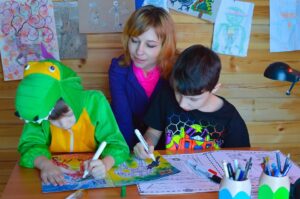
Start by choosing a simple story with a clear beginning, middle, and end. As you narrate the story, pause at crucial moments and ask the children what they think should happen next. Encourage them to draw characters or scenes and use these as visual aids. This practice helps develop their ability to visualize concepts and express ideas clearly.
Science Experiments
Introducing children to the wonders of science through hands-on experiments can ignite a lifelong interest in the subject. Simple experiments demonstrate scientific principles in a fun, engaging way, encouraging curiosity and critical thinking.
Simple Science Experiment Ideas
- Volcano Eruption: Use baking soda and vinegar to create a bubbling volcanic eruption. This experiment teaches kids about chemical reactions in a way that’s both exciting and educational.
- Floating and Sinking: Use different objects to explore buoyancy. Ask children to predict whether each object will float or sink and then test their hypotheses.
Math Games
Math can be intimidating for many children, but turning it into a game can make learning numbers and calculations enjoyable. Math games help improve problem-solving skills, logical thinking, and numerical literacy.
Engaging Math Game Examples
- Number Bingo: Create bingo cards with numbers and use math problems as clues. Children solve the problems to mark off numbers on their cards.
- Math Treasure Hunt: Design a treasure hunt with math clues leading to a hidden prize. Each clue requires solving a math problem to get to the next location.
Art and Craft Projects
Art and craft projects are excellent for fostering creativity and fine motor skills. They also provide an opportunity for kids to express themselves and explore different materials and techniques.
Art Project Ideas to Stimulate Imagination
- Nature Collage: Collect leaves, flowers, and twigs to create a beautiful nature collage. This activity connects children with the environment and encourages appreciation of nature.
- DIY Puppets: Use socks, paper bags, or felt to create puppets. Kids can then use these puppets in storytelling or play, enhancing their imaginative skills.
Music and Rhythm Activities
Music is not only a source of joy but also a powerful educational tool. It helps with memory, pattern recognition, and emotional development. Incorporating music and rhythm into learning can be both fun and beneficial.
Music Activities for Learning and Fun
- Rhythm Games: Use clapping or percussion instruments to teach rhythm and counting. Create simple patterns for children to follow and gradually increase complexity.
- Lyric Writing: Encourage kids to write their own lyrics to familiar tunes. This activity improves language skills and creativity while having fun with music.
Role-Playing and Drama
Role-playing and drama allow children to explore different characters and scenarios, enhancing their empathy, communication skills, and confidence. It’s an excellent way to teach social skills and understanding of different perspectives.
Drama Activities to Encourage Expression
- Improvisation Games: Set up scenarios and have children improvise dialogues. This helps improve quick thinking and adaptability.
- Story Dramatization: Choose a favorite story and assign roles to children, allowing them to act out the narrative. This deepens comprehension and makes learning memorable.
Cooking and Baking
Cooking and baking are not only fun but also educational activities that integrate math, science, and reading skills. Measuring ingredients, following recipes, and understanding chemical changes in food can teach valuable lessons in a practical setting.
Simple Cooking Projects for Learning
- Fruit Salad Making: Involve children in washing, cutting, and mixing fruits. This activity introduces them to healthy eating and basic culinary skills.
- Baking Cookies: Have kids measure ingredients and mix dough. Baking involves understanding time, temperature, and transformation, making it a rich learning experience.
Conclusion
Boosting children’s learning through fun educational activities is an effective way to foster a love for learning. By combining traditional educational goals with creative methods, we can engage children in a manner that stimulates their curiosity and encourages lifelong learning. The seven ideas presented in this article provide a starting point for parents and educators to develop engaging learning experiences that are both enjoyable and educational for kids.
#ChatGPT assisted in the creation of this article.