
Preschool is a pivotal stage in a child’s development, setting the foundation for lifelong learning and social interaction. During these early years, children are incredibly receptive to new experiences, making it an ideal time to introduce learning activities that are both educational and entertaining. By incorporating fun learning activities into their routine, parents and educators can significantly boost preschool skills, ensuring that children are well-prepared for their future academic journey.
The Importance of Play in Learning
Play is an essential aspect of childhood that contributes to cognitive, social, emotional, and physical development. Through play, children explore their environment, develop problem-solving skills, and learn to interact with others. By integrating play into learning activities, adults can create a supportive and engaging atmosphere that fosters a love for learning.
Cognitive Development
Fun learning activities that challenge a child’s thinking and reasoning abilities are critical for cognitive development. Puzzles, memory games, and simple problem-solving tasks encourage children to use their brains in new and innovative ways. Activities that involve sorting and classifying objects help children understand concepts like size, shape, and color, laying the groundwork for future mathematical learning.
Social and Emotional Development
Interacting with peers during group activities allows children to develop essential social skills, such as sharing, cooperation, and communication. Activities like role-playing and storytelling enable children to express their emotions and understand the feelings of others, promoting empathy and emotional intelligence.
Physical Development
Physical activities are crucial for developing motor skills and coordination in preschoolers. Activities that involve running, jumping, or balancing help improve gross motor skills, while tasks like drawing, cutting with scissors, or playing with building blocks enhance fine motor skills.
Creative Learning Activities to Boost Preschool Skills
To maximize the benefits of learning through play, it’s important to offer a variety of activities that cater to different areas of development. Here are some creative and fun learning activities that can significantly boost preschool skills:
1. Sensory Play
Sensory play involves activities that engage a child’s senses—sight, sound, touch, taste, and smell. This type of play is fundamental for brain development, as it helps build nerve connections and supports cognitive growth. Simple activities like playing with sand, water, or playdough allow children to explore textures and shapes, while adding scents or colors enhances the sensory experience.
2. Art and Craft Projects
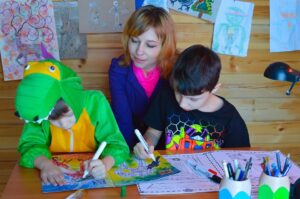
Art and craft projects are excellent for encouraging creativity and self-expression. Activities like painting, drawing, or creating collages allow children to experiment with colors and materials, fostering imagination and innovation. Moreover, these projects help develop fine motor skills and hand-eye coordination as children manipulate different tools and materials.
3. Music and Movement
Incorporating music and movement into a child’s routine can have numerous benefits. Singing songs, playing musical instruments, or dancing to music can improve memory, rhythm, and coordination. These activities also provide an opportunity for children to express themselves physically and emotionally, boosting their confidence and self-esteem.
4. Outdoor Exploration
Outdoor activities offer a wealth of learning opportunities for preschoolers. Exploring nature, observing plants and animals, or participating in scavenger hunts can help children develop curiosity about the world around them. Outdoor play promotes physical fitness and teaches children about the environment, encouraging a sense of wonder and appreciation for nature.
5. Storytelling and Pretend Play
Storytelling and pretend play are powerful tools for language development and creativity. By listening to stories, children expand their vocabulary and learn about sentence structure and narrative flow. Pretend play, where children take on different roles and scenarios, encourages imagination and helps them understand the perspectives of others.
Incorporating Learning Activities into Daily Routine
Integrating learning activities into a child’s daily routine doesn’t have to be complicated or time-consuming. Here are some practical tips for parents and educators:
1. Make Learning a Part of Everyday Life
Look for opportunities to incorporate learning into everyday activities. For instance, involve children in cooking by having them measure ingredients, or turn grocery shopping into a math lesson by counting items. These real-life experiences provide practical learning opportunities and make learning more relevant and meaningful.
2. Follow the Child’s Interests
Pay attention to what captures a child’s interest and incorporate those themes into learning activities. If a child loves dinosaurs, use dinosaur-themed books, puzzles, or art projects to engage them in learning. Tailoring activities to a child’s interests can increase motivation and enthusiasm for learning.
3. Encourage Exploration and Curiosity
Provide a safe and stimulating environment where children feel comfortable exploring and asking questions. Encourage them to try new activities and challenge themselves. Praise their efforts and celebrate their accomplishments, fostering a growth mindset and a love for learning.
4. Be Patient and Supportive
Allow children to learn at their own pace and provide support when needed. Create an environment where children feel safe to make mistakes and learn from them. Patience and encouragement can boost a child’s confidence and willingness to engage in new learning experiences.
Conclusion
Boosting preschool skills through fun learning activities is a rewarding experience for both children and adults. By creating a playful and supportive learning environment, parents and educators can nurture a child’s natural curiosity and desire to learn. These activities not only prepare children for academic success but also contribute to their overall development, setting the stage for a lifetime of learning and discovery. Through play, exploration, and creativity, we can ensure that children develop the skills they need to thrive in the world around them.
#ChatGPT assisted in the creation of this article.