
In the formative years of life, a child’s brain undergoes rapid development, creating a critical window for learning and cognitive growth. Engaging young minds with brain training activities not only enhances their intellectual capabilities but also fosters creativity, problem-solving, and emotional intelligence. This article explores the top brain training activities that can significantly boost cognitive development in children, setting a strong foundation for lifelong learning.
The Science Behind Brain Development
Understanding the science of brain development is essential in appreciating the importance of brain training activities. During early childhood, the brain is incredibly plastic, meaning it can adapt and change in response to new experiences. This neuroplasticity allows for building and strengthening neural connections, which are the pathways that facilitate learning and memory. Engaging in diverse activities helps to stimulate these connections, enhancing various cognitive functions such as attention, memory, and problem-solving skills.
Top Brain Training Activities
1. Puzzles and Brain Teasers
Puzzles and brain teasers are excellent tools for enhancing critical thinking and problem-solving skills. Whether it’s jigsaw puzzles, Sudoku, or logic puzzles, these activities require children to recognize patterns, develop strategies, and think ahead. They also improve spatial awareness, hand-eye coordination, and concentration.
2. Reading and Storytelling
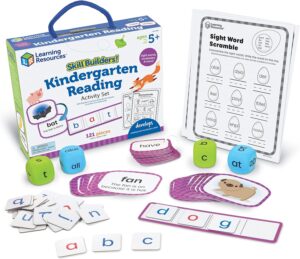
Reading is fundamental to cognitive development. It improves language skills, enhances imagination, and increases knowledge. Storytelling, on the other hand, encourages creativity and emotional intelligence. When children create their stories, they learn to express their thoughts clearly and develop empathy by understanding different characters and perspectives.
3. Music and Rhythm Activities
Engaging with music and rhythm has profound effects on brain development. Learning to play an instrument, singing, or even clapping along to a beat enhances auditory discrimination, improves memory, and boosts mathematical skills. Music activities also foster fine motor skills and emotional intelligence by allowing children to express themselves.
4. Art and Creative Play
Art activities, such as drawing, painting, and sculpting, enhance creativity and imagination. They help children develop fine motor skills and visual-spatial reasoning. Creative play, including role-playing and building with blocks, encourages problem-solving and decision-making, essential skills for cognitive development.
5. Physical Activities and Games
Physical exercise is not only vital for physical health but also for brain development. Activities like running, jumping, and playing team sports improve coordination, balance, and spatial awareness. Game-based activities that require strategy and teamwork, such as tag or capture the flag, enhance cognitive flexibility and decision-making skills.
6. Memory Games
Memory games, such as matching card games or Simon Says, are excellent for boosting working memory and attention span. These games require children to remember patterns, sequences, and rules, which in turn strengthens their memory retention and recall capabilities.
7. Science and Exploration
Engaging in science experiments and exploration activities nurtures curiosity and critical thinking. Hands-on experiments encourage children to hypothesize, test, and observe, which enhances their scientific reasoning and problem-solving skills. Nature walks and exploration also foster a sense of discovery and environmental awareness.
Implementing Brain Training Activities at Home
Integrating brain training activities into daily routines at home can be both fun and effective. Parents and caregivers can create a stimulating environment by providing a variety of materials and opportunities for exploration. Encouraging open-ended play, asking thought-provoking questions, and allowing children to make choices can further enhance their cognitive development.
The Role of Technology in Brain Training
In today’s digital age, technology offers numerous tools for brain training. Educational apps and games can provide interactive and engaging learning experiences. However, it’s crucial to balance screen time with offline activities to ensure a well-rounded development. Choosing high-quality, age-appropriate content and co-playing with children can maximize the benefits of technology in cognitive development.
Conclusion
Boosting young minds through brain training activities is a rewarding journey that sets the stage for lifelong learning and success. By incorporating a variety of stimulating activities that promote critical thinking, creativity, and problem-solving, parents and educators can help children develop essential cognitive skills. As we embrace the diversity of brain training activities, we empower children to explore, discover, and grow into well-rounded individuals capable of navigating the complexities of the modern world.
#ChatGPT assisted in the creation of this article.