
In the rapidly evolving world of technology and information, cognitive skills are essential for the next generation. Developing a child’s brain from an early age not only enhances their learning abilities but also cultivates critical thinking, problem-solving skills, and creativity. Thinking games are a fantastic way to stimulate young minds, making learning an engaging and enjoyable process. In this article, we will explore some of the top thinking games for kids that can significantly boost their cognitive development.
The Importance of Cognitive Development in Children
Cognitive development is the process by which a child learns to reason, solve problems, and think critically. During early childhood, the brain is particularly plastic and responsive to the environment, making it an ideal time to encourage learning through play. Cognitive skills acquired early on form the foundation for future learning and success in various aspects of life.
Benefits of Thinking Games for Kids
Thinking games offer numerous benefits for children’s development. They help improve memory, attention span, and logical reasoning. Additionally, these games can foster social skills when played in groups, teaching children to collaborate and communicate effectively. By challenging young minds, thinking games also promote resilience, adaptability, and a love for learning.
Top Thinking Games for Kids
Choosing the right thinking games for kids can make a significant difference in their cognitive growth. Below are some of the top games that are both entertaining and educational.
1. Chess
Chess is a classic game that has been proven to enhance cognitive abilities in children. It stimulates critical thinking, strategic planning, and foresight. Playing chess regularly can improve a child’s problem-solving skills and patience, as well as their ability to think several steps ahead.
2. Sudoku
Sudoku puzzles are excellent for developing logical reasoning and pattern recognition. By filling in the grid with numbers, children learn to concentrate and think critically about their choices. Sudoku is also known to enhance memory and improve focus.
3. Memory Games
Memory games, such as matching pairs or Simon Says, help improve short-term memory and concentration. These games require children to recall and match items, encouraging the development of attention to detail and observation skills.
4. Puzzles
Jigsaw puzzles and other types of puzzles challenge children to think spatially and recognize patterns. Completing puzzles requires patience and persistence, traits that are valuable for academic and personal growth. Additionally, puzzles can be a fun group activity, promoting teamwork and communication.
5. Strategy Board Games
Games like Settlers of Catan or Ticket to Ride involve strategic planning and decision-making. These board games teach children to analyze situations, consider various outcomes, and make informed choices. They also encourage social interaction and cooperation.
6. Brain Teasers
Brain teasers, such as riddles and logic puzzles, stimulate lateral thinking and creativity. These challenges require children to think outside the box and approach problems from different angles. Brain teasers can be a fun way to engage a group of kids, encouraging cooperation and discussion.
7. Math Games
Math games, such as Math Bingo or online math challenges, make learning numbers and calculations exciting. These games help reinforce mathematical concepts and improve computational skills. By turning math into a game, children can develop a positive attitude toward the subject.
8. Coding Games
As technology becomes increasingly integral to our lives, coding games for kids have gained popularity. Platforms like Scratch or Code.org make learning programming fundamentals fun and interactive. Coding games enhance problem-solving abilities, logical thinking, and creativity.
9. Creative Building Games
Games like Minecraft or LEGO building sets encourage creativity and spatial awareness. Building structures or creating worlds requires planning, design thinking, and an understanding of geometry. These games also enhance fine motor skills and hand-eye coordination.
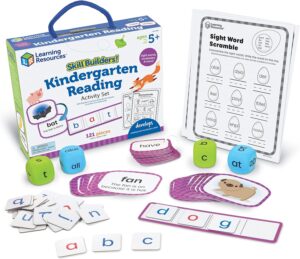
10. Word Games
Word games, such as Scrabble or Boggle, are excellent for vocabulary expansion and language development. These games promote spelling, reading, and quick thinking. Playing word games with others can also improve communication skills and encourage friendly competition.
How to Incorporate Thinking Games into Daily Routines
Integrating thinking games into daily routines can be seamless and enjoyable. Here are some tips to make cognitive development a natural part of your child’s day:
Create a Game Schedule
Set aside specific times during the week for family game nights or individual play. Consistency helps children look forward to these activities and reinforces the habit of engaging in cognitive exercises.
Turn Everyday Activities into Games
Incorporate elements of play into daily routines. For example, challenge your child to solve a riddle during breakfast or play a quick memory game while commuting. This approach keeps the mind active and engaged throughout the day.
Encourage Exploration and Curiosity
Allow children to explore different types of games and activities. Encourage them to ask questions, experiment with new strategies, and learn from mistakes. Fostering a curious mindset can lead to a lifelong love of learning.
Balance Screen Time with Physical Activity
While many thinking games are available online, it’s important to balance screen time with physical activities. Encourage outdoor play, sports, or hands-on projects to promote overall well-being and cognitive development.
Involve the Whole Family
Make thinking games a family affair. Playing together strengthens bonds and creates a positive, supportive environment for learning. Family participation also provides additional opportunities for discussion and collaboration.
Conclusion
Thinking games are a powerful tool for boosting cognitive development in children. By engaging young minds in fun and challenging activities, we can nurture critical thinking, creativity, and problem-solving skills. As parents and educators, incorporating these games into daily routines can make a lasting impact on a child’s intellectual growth and future success. By fostering a love for learning and exploration, we empower the next generation to thrive in an ever-changing world.
#ChatGPT assisted in the creation of this article.