
In the dynamic world of early childhood education, kindergarten serves as a crucial foundation for lifelong learning. Engaging young minds with innovative learning ideas not only captures their attention but also fosters a love for learning that can last a lifetime. This article explores various creative and effective approaches to kindergarten learning, focusing on activities that stimulate curiosity, enhance cognitive skills, and support social-emotional development.
The Importance of Innovation in Early Education
The formative years of a child’s life are marked by rapid brain development, making it an ideal time to introduce diverse and stimulating learning experiences. Traditional teaching methods, while valuable, may not fully engage the minds of young learners. Innovative approaches encourage exploration, creativity, and critical thinking, providing a well-rounded educational experience. By incorporating innovative techniques, educators can cater to different learning styles and help children build essential skills for future success.
Play-Based Learning
The Power of Play
Play is a natural and essential part of childhood, serving as a primary mode of learning for young children. Through play, children develop language skills, physical abilities, and social competence. Play-based learning leverages this natural inclination by integrating educational goals into playful activities.
Creating a Rich Play Environment
A rich play environment is crucial for effective play-based learning. Educators can create such an environment by providing a variety of materials and opportunities for open-ended play. This includes building blocks, art supplies, dress-up clothes, and sensory tables. These materials encourage children to explore, experiment, and create, fostering cognitive and motor skill development.
Project-Based Learning
Introduction to Project-Based Learning
Project-based learning (PBL) is an instructional approach that allows children to explore real-world problems and challenges. By working on projects, children develop critical thinking, problem-solving, and collaboration skills. In a kindergarten setting, PBL can be adapted to suit young learners’ interests and abilities.
Implementing PBL in Kindergarten
To implement project-based learning, educators can start by identifying topics that interest the children, such as animals, weather, or community helpers. Projects should be hands-on and involve inquiry, exploration, and creation. For example, a project on plants could involve planting seeds, observing growth, and creating a plant journal. Throughout the project, educators guide and facilitate learning, encouraging children to ask questions and seek solutions.
Integrating Technology
Technology as a Learning Tool
In today’s digital age, technology can be a valuable tool for enhancing kindergarten learning. When used appropriately, technology can support creativity, collaboration, and communication. It can also provide access to a wealth of information and resources.
Interactive Learning Apps and Tools
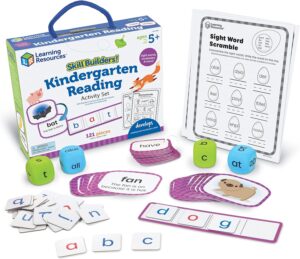
There are numerous interactive apps and tools designed specifically for young learners. These tools can help children develop literacy, numeracy, and problem-solving skills. For instance, educational apps that teach phonics, math games that enhance counting skills, and digital storytelling platforms that encourage creativity. It’s important for educators to carefully select age-appropriate and educationally sound technology resources.
Outdoor Learning Experiences
The Benefits of Outdoor Learning
Outdoor learning experiences offer unique opportunities for exploration and discovery. Nature provides a rich sensory environment that stimulates curiosity and observation skills. Being outdoors also promotes physical activity, which is essential for healthy development.
Incorporating Nature into the Curriculum
Educators can incorporate outdoor learning by organizing nature walks, garden projects, or outdoor science experiments. For example, children can explore different plant and animal species, observe weather patterns, or engage in imaginative play using natural materials. These experiences foster a connection with nature and encourage environmental awareness.
Art and Creativity
Encouraging Creative Expression
Art and creativity play a vital role in early childhood education, providing an avenue for self-expression and emotional development. Artistic activities encourage children to explore their imagination, develop fine motor skills, and build confidence.
Incorporating Art into Daily Activities
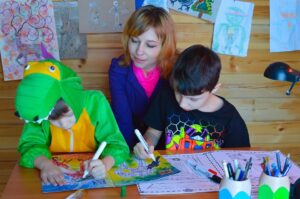
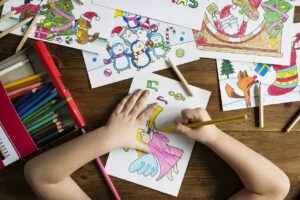
Art can be seamlessly integrated into daily activities by offering a variety of art materials and opportunities for creative expression. This includes drawing, painting, sculpting, and crafting. Educators can also incorporate art into other subjects, such as using storytelling with puppets or creating art projects related to science topics.
Music and Movement
The Role of Music in Learning
Music and movement activities are engaging and enjoyable for young children. These activities support language development, rhythm, and coordination. Music also promotes memory and listening skills.
Incorporating Music and Movement
Educators can incorporate music and movement by organizing singing sessions, dance activities, and rhythm games. Using music to teach concepts, such as counting songs or alphabet chants, enhances learning while making it fun and memorable. Creating a music and movement corner with instruments and props encourages exploration and creativity.
Social-Emotional Learning
Building Social-Emotional Skills
Social-emotional learning (SEL) is essential for young children’s overall development. It involves understanding and managing emotions, building empathy, and establishing positive relationships. SEL lays the groundwork for effective communication and problem-solving skills.
Strategies for Promoting SEL
Educators can promote SEL through activities that encourage cooperation, empathy, and self-awareness. Role-playing, group projects, and storytelling are effective strategies. Creating a supportive classroom environment where children feel safe to express themselves is crucial. Incorporating SEL themes into daily routines, such as discussing feelings and practicing conflict resolution, fosters emotional intelligence.
Conclusion
Innovative kindergarten learning ideas are essential for nurturing young minds and preparing them for future success. By embracing play-based learning, project-based learning, technology integration, outdoor experiences, art, music, and social-emotional learning, educators can create a rich and engaging educational environment. These approaches not only capture children’s attention but also foster a lifelong love for learning, setting the stage for a bright and promising future. Through creativity, exploration, and meaningful interactions, young learners can thrive and reach their full potential.
#ChatGPT assisted in the creation of this article.