
In today’s fast-paced world, parents play a pivotal role in their children’s educational journey. Beyond the confines of the classroom, the home serves as a crucial learning environment where foundational skills and lifelong learning habits are nurtured. This comprehensive guide will provide insightful tips to help parents enhance their child’s learning experience, making education an enjoyable and rewarding endeavor.
Encourage Curiosity and Exploration
Children are naturally curious, a trait that can be harnessed to foster a love for learning. Encourage your child to ask questions and explore the world around them. Engage in activities that stimulate their curiosity, such as nature walks, museum visits, or simple science experiments at home. By providing opportunities for exploration, you lay the groundwork for inquisitive and independent learners.
Create a Conducive Learning Environment
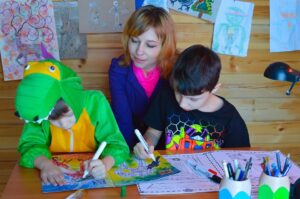
The physical environment in which a child studies can significantly impact their ability to focus and absorb information. Designate a specific area in your home as a study zone, free from distractions such as television and excessive noise. Ensure that this space is well-lit, organized, and equipped with necessary learning materials like books, stationery, and a comfortable chair and desk. A consistent and clutter-free environment will help your child associate the space with learning and productivity.
Establish a Routine
Children thrive on routine, which provides a sense of security and predictability. Establish a daily routine that includes time for homework, reading, and other educational activities, balanced with play and relaxation. Consistent routines help children develop time-management skills and the discipline necessary for academic success. Involving your child in the scheduling process can also give them a sense of ownership and responsibility over their learning.
Foster a Reading Habit
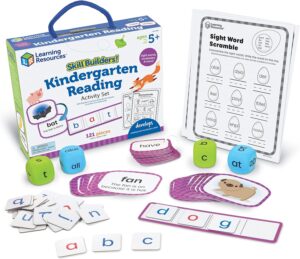
Reading is a fundamental skill that underpins all areas of learning. Encourage a love for reading by providing access to a variety of books that cater to your child’s interests and reading level. Set aside time each day for reading, whether it’s a bedtime story or independent reading. Participate in reading activities together, such as visiting the library or attending book fairs. Discussing books and stories can enhance comprehension skills and ignite a passion for literature.
Incorporate Technology Wisely
In the digital age, technology can be a powerful tool for education when used appropriately. Select educational apps and websites that offer interactive and engaging content aligned with your child’s learning goals. Monitor screen time to ensure a healthy balance between digital and offline activities. Encourage your child to use technology for research and exploration, teaching them to differentiate between credible sources and misinformation.
Promote Active Learning
Active learning involves engaging children in activities that require critical thinking and problem-solving. Encourage your child to participate in projects that involve hands-on activities, such as building models, conducting science experiments, or participating in group discussions. These activities promote deeper understanding and retention of knowledge, as children apply concepts in practical situations.
Support Social and Emotional Development
A child’s social and emotional well-being is integral to their ability to learn effectively. Encourage positive social interactions, empathy, and communication skills by engaging in role-playing games and group activities. Teach emotional intelligence by helping your child recognize and express their feelings, and encourage them to develop coping strategies for stress and frustration. A supportive emotional environment fosters resilience and a positive attitude towards learning challenges.
Engage in Collaborative Learning
Collaborative learning experiences, such as group projects and peer teaching, promote teamwork and communication skills. Encourage your child to work with classmates on projects or participate in study groups. Collaborative activities allow children to learn from one another, share diverse perspectives, and develop interpersonal skills crucial for future success.
Provide Constructive Feedback
Feedback is an essential component of the learning process. Offer constructive feedback that focuses on effort and improvement rather than solely on outcomes. Praise your child’s perseverance and problem-solving strategies, and provide specific suggestions for improvement. Constructive feedback helps build confidence, motivation, and a growth mindset, encouraging children to embrace challenges and learn from mistakes.
Set Realistic Goals and Expectations
Setting achievable goals and clear expectations is critical for maintaining motivation and focus. Work with your child to set short-term and long-term academic goals that are realistic and aligned with their abilities and interests. Celebrate milestones and achievements, reinforcing their progress and dedication. By setting attainable goals, children learn to take responsibility for their learning and experience the satisfaction of achievement.
Promote a Growth Mindset
A growth mindset, the belief that abilities and intelligence can be developed through effort and learning, is a powerful motivator. Encourage your child to view challenges as opportunities for growth rather than obstacles. Share stories of successful individuals who overcame difficulties through perseverance and hard work. Reinforce the idea that learning is a journey, and mistakes are valuable learning tools. Cultivating a growth mindset will empower your child to approach learning with enthusiasm and resilience.
Encourage Physical Activity
Physical activity is not only essential for physical health but also has a positive impact on cognitive function and academic performance. Encourage regular physical exercise, such as sports, dance, or outdoor play, to improve concentration, memory, and mood. Physical activity also provides an opportunity for children to develop teamwork and leadership skills through group sports and activities.
Communicate with Educators
Maintaining open communication with your child’s teachers and school staff is vital for understanding their academic progress and addressing any concerns. Attend parent-teacher meetings, participate in school events, and stay informed about the curriculum and school policies. Collaboration between parents and educators ensures a consistent and supportive learning environment for your child both at home and at school.
Be a Role Model
Children often emulate the behaviors and attitudes of adults in their lives. Demonstrate a positive attitude towards learning by pursuing your own educational interests, reading, and engaging in intellectual discussions. Show enthusiasm for knowledge and curiosity about the world. Your child will be inspired by your example and more likely to adopt a similar attitude towards their own learning journey.
Conclusion
As parents, you have the unique opportunity to shape your child’s educational experience and lay the foundation for lifelong learning. By incorporating these tips into your parenting approach, you can create a supportive and enriching environment that fosters academic success and personal growth. Remember, education is not just about academic achievement but also about nurturing well-rounded individuals who are curious, resilient, and equipped with the skills to thrive in an ever-changing world.
#ChatGPT assisted in the creation of this article.