
Homeschooling offers a unique opportunity to tailor education to a child’s specific needs and interests. By blending creativity with education, parents can create an engaging learning environment that fosters growth and enthusiasm for learning. Here, we explore some top homeschool activities designed to pique children’s curiosity and promote holistic development.
Interactive Science Experiments
Science experiments are a fantastic way to engage children in hands-on learning. They help kids understand complex concepts through practical application, which enhances retention and understanding.
Simple Chemistry at Home
Conduct simple chemistry experiments using household items. For instance, create a baking soda and vinegar volcano. This experiment teaches kids about chemical reactions in a fun and visually stimulating way. Discuss the science behind the reaction, explaining how the acid (vinegar) reacts with the base (baking soda) to produce carbon dioxide gas, which creates the fizzy eruption.
Growing Crystals
Growing crystals can be a fascinating project. Using sugar or salt solutions, kids can observe crystal formation over several days. This activity teaches patience, observation skills, and introduces concepts of saturation and evaporation.
Creative Arts and Crafts
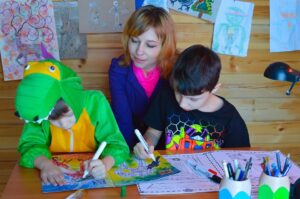
Arts and crafts encourage creativity and improve fine motor skills. They provide a platform for self-expression and enhance problem-solving abilities.
Recycled Art Projects
Encourage kids to create art from recycled materials. This not only promotes creativity but also teaches environmental responsibility. Projects could include making sculptures from old newspapers or designing jewelry from bottle caps.
Nature-Inspired Crafts
Use elements from nature to create artwork. Collect leaves, twigs, and stones to make collages or paintings. This activity connects children with nature and inspires them to see beauty in the natural world.
Mathematical Games and Puzzles
Mathematics can be challenging for many children, but by turning it into a game, parents can make learning math both fun and effective.
Board Games and Card Games
Games like “Monopoly” or “Uno” help develop strategic thinking and number skills. These games require counting, probability assessment, and decision-making, all of which are key mathematical competencies.
Puzzle Challenges
Jigsaw puzzles and Sudoku can enhance spatial awareness and logical thinking. For younger kids, simple shape sorting and matching games can lay the foundation for more advanced problem-solving skills.
Language and Literacy Activities
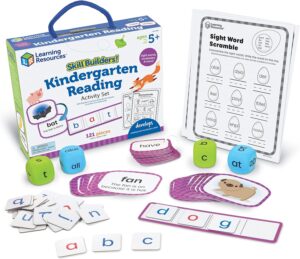
Language skills are crucial for communication and learning. Engaging in language-focused activities can boost vocabulary, comprehension, and critical thinking.
Storytelling Sessions
Encourage your child to create their own stories or retell their favorite tales. This activity enhances creativity, improves vocabulary, and helps organize thoughts coherently.
Reading Aloud
Reading books aloud together stimulates imagination and expands understanding of the world. Discuss the stories and characters to improve comprehension and critical thinking.
Physical Education and Outdoor Activities
Physical activity is important for a child’s physical health and cognitive development. Outdoor activities provide a break from structured learning and allow children to explore their environment.
Nature Walks and Observations
Take regular nature walks and encourage children to observe and record what they see. This activity teaches observation skills, promotes curiosity, and instills a love for nature.
Home Sports and Exercises
Set up a mini sports day at home with simple activities like sack races or obstacle courses. These activities improve coordination, balance, and physical fitness.
Cooking and Baking
Cooking is a practical life skill that also incorporates lessons in math, science, and nutrition. Involve children in the kitchen to teach them these valuable skills.
Simple Recipes for Young Chefs
Start with simple recipes like making sandwiches or baking cookies. These activities teach measurements, following instructions, and introduce the basics of nutrition and culinary skills.
Exploring International Cuisine
Introduce children to the world of international cuisine by preparing dishes from different cultures. This activity broadens their understanding of global traditions and flavors.
Music and Dance Activities
Music and dance foster creativity and emotional expression. They can also improve memory, attention, and coordination.
Instrument Exploration
Provide opportunities for children to explore various musical instruments. This could include homemade instruments or basic ones like a keyboard or a drum. Understanding different sounds and rhythms can enhance auditory skills.
Dance Parties
Host regular dance parties at home. Dancing is a fun way to exercise and helps children develop rhythm, coordination, and confidence.
Technology and Computer Skills
In today’s digital world, technology skills are crucial. Incorporating tech-based activities can prepare children for future educational and career opportunities.
Coding for Kids
Introduce basic coding through child-friendly platforms like Scratch or Tynker. These platforms use visual programming to teach the fundamentals of coding in an engaging way.
Digital Art Projects
Encourage children to create art using digital tools. This could include drawing applications or simple graphic design software. It combines creativity with technological skills.
Conclusion
Homeschooling provides a flexible learning environment where children can thrive. By integrating a variety of engaging activities, parents can foster a love for learning and support their children’s growth in multiple areas. These activities not only make learning fun but also help children develop essential life skills that will benefit them throughout their educational journey and beyond.
#ChatGPT assisted in the creation of this article.