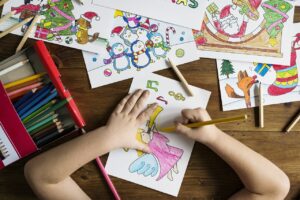
Keeping kids engaged and entertained at home can sometimes be a challenge, especially when you’re looking for activities that are both fun and enriching. Creative projects are a fantastic way to stimulate a child’s imagination, enhance their motor skills, and foster their creativity. This article outlines a variety of creative projects that are not only fun but also easy to set up with materials you likely have around the house.
DIY Craft Stick Puzzles
Craft stick puzzles are an excellent way for kids to express their creativity while also developing problem-solving skills. This project involves creating a picture on a set of craft sticks and then mixing them up to create a puzzle.
Materials Needed:
- Craft sticks (popsicle sticks)
- Markers or paint
- Glue
- Scissors
Instructions:
- Line up several craft sticks horizontally, and glue them onto a piece of paper to hold them in place.
- Draw or paint a picture across the sticks. It can be anything from a simple shape to a detailed scene.
- Once the artwork is dry, carefully cut the paper along the edges of the craft sticks.
- Mix up the sticks and have your child reassemble them to complete the picture.
This activity is not only fun but also helps improve hand-eye coordination and fine motor skills.
Homemade Playdough
Playdough is a timeless activity that children love. Making your own playdough at home can be a fun project in itself, and it allows kids to customize colors and textures.
Materials Needed:
- 1 cup flour
- 1/4 cup salt
- 1/2 cup water
- 1/2 tablespoon vegetable oil
- Food coloring
Instructions:
- Mix the flour and salt in a bowl.
- In a separate bowl, mix water, oil, and a few drops of food coloring.
- Gradually add the wet mixture to the dry ingredients, stirring continuously until it forms a dough.
- Knead the dough on a floured surface until smooth and pliable.
- Store the playdough in an airtight container to keep it fresh.
This playdough recipe is easy to make, non-toxic, and offers endless creative possibilities for shaping and molding.
Paper Plate Masks
Transform ordinary paper plates into imaginative masks that kids can wear for playtime. This project encourages creativity and storytelling.
Materials Needed:
- Paper plates
- Scissors
- Markers, crayons, or paint
- Elastic string or ribbon
- Glue
- Decorative items (feathers, sequins, etc.)
Instructions:
- Cut out eye holes from a paper plate to create the mask base.
- Have your child decorate the mask using markers, paint, or other decorative items.
- Punch a hole on each side of the mask and attach an elastic string or ribbon to secure it around the head.
- Encourage your child to create different characters and act out stories using their mask.
This activity provides an opportunity for children to explore different characters and practice their storytelling skills.
Recycled Art Projects
Show your kids the importance of recycling by creating art projects using materials that would otherwise be thrown away. This project not only inspires creativity but also teaches environmental awareness.
Materials Needed:
- Cardboard boxes
- Plastic bottles
- Old magazines or newspapers
- Glue and tape
- Scissors
- Paints or markers
Instructions:
- Gather various recyclable materials from around the house.
- Encourage your child to brainstorm and plan a creative project using these materials.
- Help them cut, glue, and assemble their creation.
- Use paints or markers to add finishing touches to their artwork.
Recycled art projects are a great way to instill values of sustainability and environmental consciousness in children.
Nature Collage
Take a walk outside and gather materials from nature to create beautiful collages. This project connects kids with the outdoors and encourages them to appreciate nature’s beauty.
Materials Needed:
- Leaves, flowers, twigs, etc.
- Cardstock or thick paper
- Glue
- Optional: Markers or paint
Instructions:
- Go on a nature walk with your child and collect various natural items.
- Arrange the collected items on a piece of cardstock to create a collage.
- Glue the items in place and allow them to dry.
- Optional: Add details or enhancements using markers or paint.
This activity not only fosters creativity but also enhances observational skills and a sense of appreciation for the natural world.
Simple Sewing Projects
Introduce your child to the basics of sewing with simple projects like making a small pillow or a felt animal. Sewing helps develop fine motor skills and patience.
Materials Needed:
- Felt or fabric
- Needle and thread (or fabric glue for younger children)
- Scissors
- Stuffing material (cotton or fabric scraps)
- Optional: buttons, beads, or other decorations
Instructions:
- Choose a simple shape for the project, such as a heart or animal silhouette.
- Cut two identical pieces of felt or fabric for the front and back.
- Help your child sew the pieces together, leaving a small opening for stuffing.
- Stuff the project and sew the opening closed.
- Decorate with buttons, beads, or fabric markers if desired.
Sewing projects not only teach practical skills but also boost confidence and provide a sense of accomplishment.
Conclusion
Creative projects are a wonderful way for children to express themselves, learn new skills, and have fun. The projects outlined in this article are designed to be enjoyable and accessible, using materials that are easy to find at home. By engaging in these activities, children can explore their imagination, improve their motor skills, and develop an appreciation for art and creativity. Whether it’s solving a craft stick puzzle, molding playdough, or sewing a small pillow, these activities offer endless opportunities for learning and fun at home.
#ChatGPT assisted in the creation of this article.