
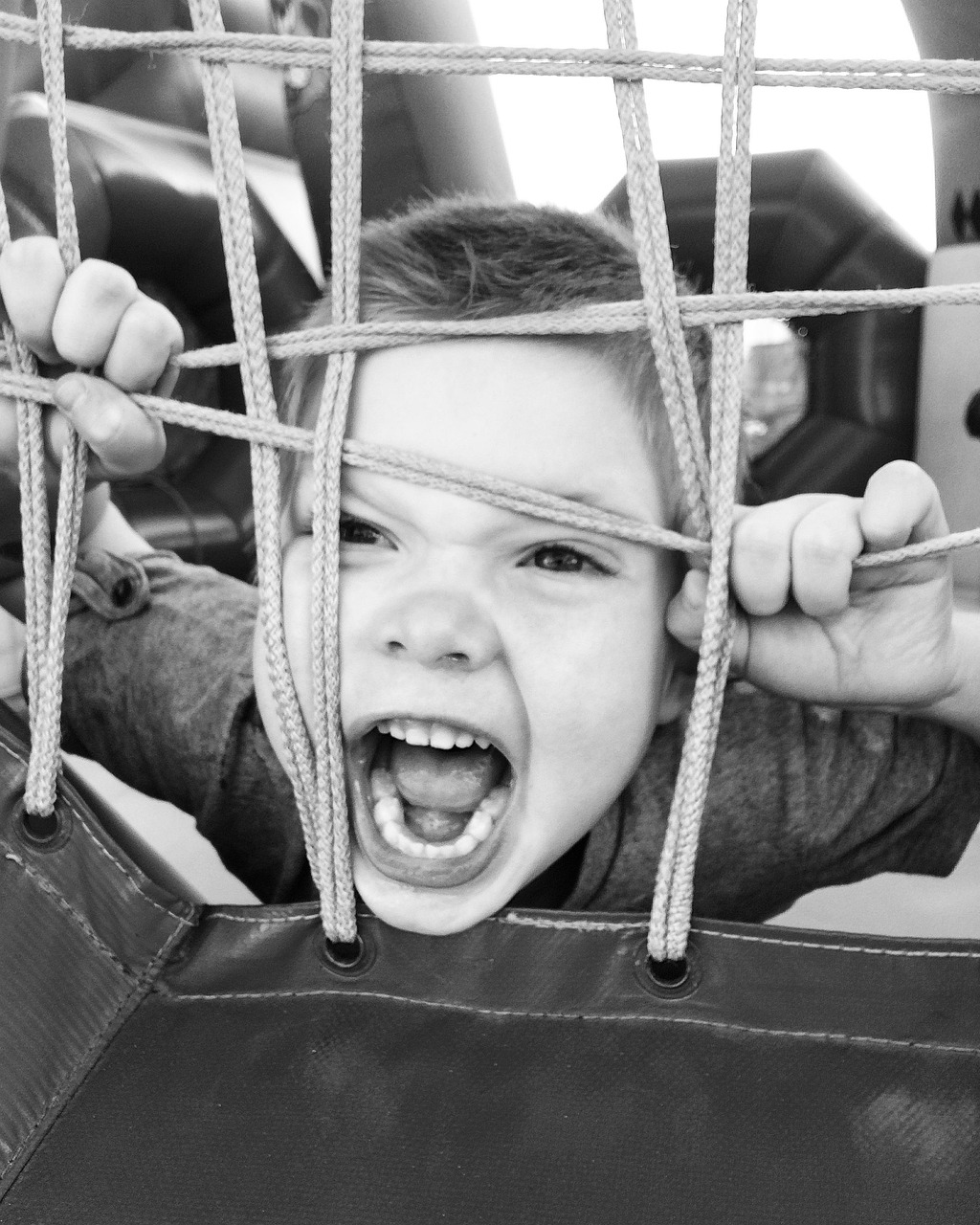
Understanding children’s behavior and attitude is a complex yet fascinating aspect of child psychology. Attitude problems in children can stem from various factors, including environmental influences, developmental stages, and emotional well-being. Addressing these issues effectively requires a comprehensive approach that considers the child’s perspective and fosters positive behavioral changes. This article delves into understanding the root causes of attitude problems in children and explores strategies to address these issues effectively.
Recognizing Attitude Problems in Children
Children exhibit a range of behaviors as they grow, and discerning between typical developmental stages and attitude problems can be challenging. Attitude problems often manifest as persistent negative behaviors, such as defiance, disrespect, and frequent temper tantrums. While occasional outbursts are normal, a pattern of negative behavior may indicate deeper issues that need attention.
Understanding the Root Causes
Identifying the underlying causes of attitude problems is essential in addressing them effectively. Several factors contribute to the development of negative attitudes in children:
Developmental Stages
As children grow, they undergo various developmental stages that influence their behavior. For instance, toddlers often experience the “terrible twos,” characterized by increased independence and frequent tantrums. Similarly, adolescents face identity crises and peer pressure, leading to defiant behaviors. Understanding these stages helps parents and caregivers differentiate between normal developmental behaviors and more serious attitude problems.
Environmental Influences
A child’s environment plays a significant role in shaping their attitudes. Family dynamics, parental behavior, and peer interactions all contribute to a child’s worldview. Children who witness aggressive or disrespectful behavior at home or school may model these attitudes in their interactions. Additionally, exposure to negative media content can also influence a child’s behavior and attitude.
Emotional Well-being
Emotional well-being is a crucial factor in a child’s attitude. Children experiencing stress, anxiety, or depression may exhibit negative behaviors as a coping mechanism. Unresolved emotional issues can manifest as defiance, irritability, or withdrawal. Therefore, addressing a child’s emotional health is integral to resolving attitude problems.
Strategies for Addressing Attitude Problems
Effectively addressing attitude problems in children requires a multi-faceted approach. Here are several strategies to consider:
Open Communication
Establishing open lines of communication is fundamental in understanding a child’s perspective. Encourage children to express their feelings and thoughts without fear of judgment. Active listening and empathy are essential in building trust and helping children feel heard and understood.
Consistent Discipline
Consistent discipline is crucial in setting boundaries and teaching children about acceptable behavior. Discipline should be fair, age-appropriate, and focused on teaching rather than punishing. Positive reinforcement, such as praise and rewards for good behavior, can be more effective than punitive measures.
Modeling Positive Behavior
Children often learn by observing the behavior of adults around them. Modeling positive behavior, such as respect, empathy, and patience, sets a standard for children to emulate. Demonstrating conflict resolution and effective communication skills can also guide children in handling their own emotions and interactions.
Encouraging Emotional Expression
Helping children articulate their emotions is vital in addressing attitude problems. Encourage children to talk about their feelings and provide them with tools to express themselves, such as drawing or journaling. Teaching emotional regulation techniques, like deep breathing and mindfulness, can also help children manage their emotions effectively.
Seeking Professional Help
In cases where attitude problems persist despite efforts at home, seeking professional help may be necessary. Child psychologists and counselors can provide valuable insights and tailored interventions to address specific issues. Therapy can help children work through emotional challenges and develop healthier coping mechanisms.
The Role of Schools and Community
Schools and communities play a vital role in shaping children’s attitudes. Educators and community leaders can contribute by creating supportive environments that promote positive behaviors. Anti-bullying programs, social-emotional learning initiatives, and extracurricular activities provide opportunities for children to develop healthy social skills and attitudes.
Conclusion
Understanding and addressing attitude problems in children is a multifaceted endeavor that requires patience, empathy, and effective strategies. By recognizing the root causes and implementing supportive interventions, parents, educators, and communities can help children develop positive attitudes and behaviors. Ultimately, fostering a nurturing environment and encouraging open communication are key to guiding children through their developmental stages and ensuring their emotional well-being.
References
– Berk, L. E. (2018). Development Through the Lifespan. Pearson.
– Siegel, D. J., & Bryson, T. P. (2012). The Whole-Brain Child: 12 Revolutionary Strategies to Nurture Your Child’s Developing Mind. Delacorte Press.
– Gottman, J. M., & DeClaire, J. (1997). Raising an Emotionally Intelligent Child. Simon & Schuster.
#ChatGPT assisted in the creation of this article.