
In a world increasingly dominated by screens and structured activities, nurturing imagination through creative play is more important than ever. Creative play is not only a source of fun but also a critical component of a child’s development. It encourages problem-solving, enhances social skills, and fosters emotional well-being. This article explores a range of creative play ideas designed to unleash imagination and inspire both children and adults to think outside the box. Whether you’re a parent, teacher, or someone who simply loves to play, these ideas will help you create enriching experiences.
The Magic of Storytelling
Storytelling is a timeless art that transcends generations. It’s a powerful way to ignite imagination and encourage creative thinking. Whether through reading books aloud, creating your own stories, or even using storytelling apps, the possibilities are endless.
Create Your Own Story
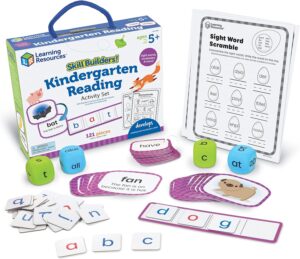
Encourage children to create their own stories by providing them with a set of random words or images. This activity not only sparks creativity but also enhances vocabulary and language skills. You can use flashcards, dice with images, or even apps designed for this purpose.
Interactive Storytelling
Bring stories to life by involving children in the storytelling process. Use props, costumes, and different voices to make the story more engaging. You can also turn this into a group activity, where each participant adds a part to the story, fostering collaboration and spontaneous creativity.
Artistic Endeavors
Art has long been a medium for self-expression and creativity. Through various forms of art, children can explore their emotions, develop fine motor skills, and gain confidence in their abilities.
Painting and Drawing
Provide children with a range of materials such as paints, crayons, markers, and colored pencils. Encourage them to experiment with different techniques and styles. You can also introduce them to famous artists and let them create their own versions of iconic works.
Crafting Masterpieces
From simple paper crafts to complex sculptures, crafting is a versatile activity that can be tailored to any age group. Use recycled materials, natural elements, or craft kits to inspire creativity. Projects such as building a birdhouse or creating jewelry can teach patience and planning.
Drama and Role-Playing
Role-playing and drama activities allow children to step into different characters and scenarios, fostering empathy and social understanding. These activities can be spontaneous or structured and are excellent for both individual and group play.
Dress-Up and Role-Play
Create a dress-up box filled with costumes and accessories. Encourage children to create their own characters and stories, acting out different scenarios. This activity can be a great way to explore different professions, cultures, and historical periods.
Improvisational Games
Engage in improvisational games that challenge children to think quickly and creatively. Games like “Yes, and…” or “One-word Story” require participants to build on each other’s ideas, promoting quick thinking and collaboration.
Exploration and Discovery
Encouraging a sense of wonder and curiosity about the world around them can lead children to incredible discoveries. Exploration and discovery activities can happen indoors or outdoors, each providing unique opportunities for learning and fun.
Nature Hunts
Organize a nature hunt where children search for specific items like leaves, rocks, or insects. Provide a checklist or bingo card to guide the exploration. This activity not only connects children with nature but also encourages observation and critical thinking.
Science Experiments
Simple science experiments can transform a curious mind into a scientific thinker. Activities such as making a volcano, creating a rainbow in a jar, or even exploring the properties of water can be both educational and entertaining.
Music and Movement
Music and movement activities are excellent for releasing energy and expressing emotions. These activities also enhance rhythm, coordination, and auditory skills.
Make Your Own Instruments
Encourage children to create their own musical instruments using household items. From rubber band guitars to rice-filled shakers, these DIY projects can inspire musical exploration and creativity.
Dance and Movement Games
Organize dance sessions where children can express themselves through music. Use movement games like “Freeze Dance” or “Musical Chairs” to add an element of fun and competition. These activities can help improve coordination and promote physical fitness.
Construction and Building
Building activities offer endless possibilities for creativity and problem-solving. Whether using blocks, Legos, or household items, construction play can captivate children for hours.
Block Building Challenges
Challenge children to build specific structures using blocks or Legos. This activity can promote spatial awareness and engineering skills. You can introduce themes, such as building a castle or a futuristic city, to inspire creativity.
DIY Forts
Allow children to construct their own forts using blankets, pillows, and furniture. This activity encourages teamwork and imaginative play as children create their own secret hideaways.
Conclusion
Creative play is an essential part of childhood that offers numerous benefits, from cognitive development to emotional well-being. By providing children with diverse opportunities to explore their imagination, we empower them to become creative thinkers and problem solvers. The creative play ideas presented in this article are just a starting point. With a little imagination and enthusiasm, the possibilities are endless. So, gather your materials, rally your players, and embark on a journey to unleash imagination and creativity.
#ChatGPT assisted in the creation of this article.